

Post-Bullying Recovery Guide For Parents
Finding a skilled and experienced anti-bullying attorney as soon as possible, such as LegalAlly.com founder Adam T. Mandell, is a critical first step for families whose children have been victims of bullying. Having a legal expert ensures that your child’s rights are protected and that schools or institutions meet their legal obligations to create a safe learning environment. However, legal support is just one part of the recovery process. Parents need a variety of strategies to help their children heal emotionally, physically, and socially.
This guide offers 10 recovery strategies—many of them backed by evidence-based research, others practical—and will help families navigate the healing journey. Each child’s recovery is unique, and combining these strategies can provide the best opportunity for healing and resilience.
Therapy for Young Children Who Have Experienced Bullying
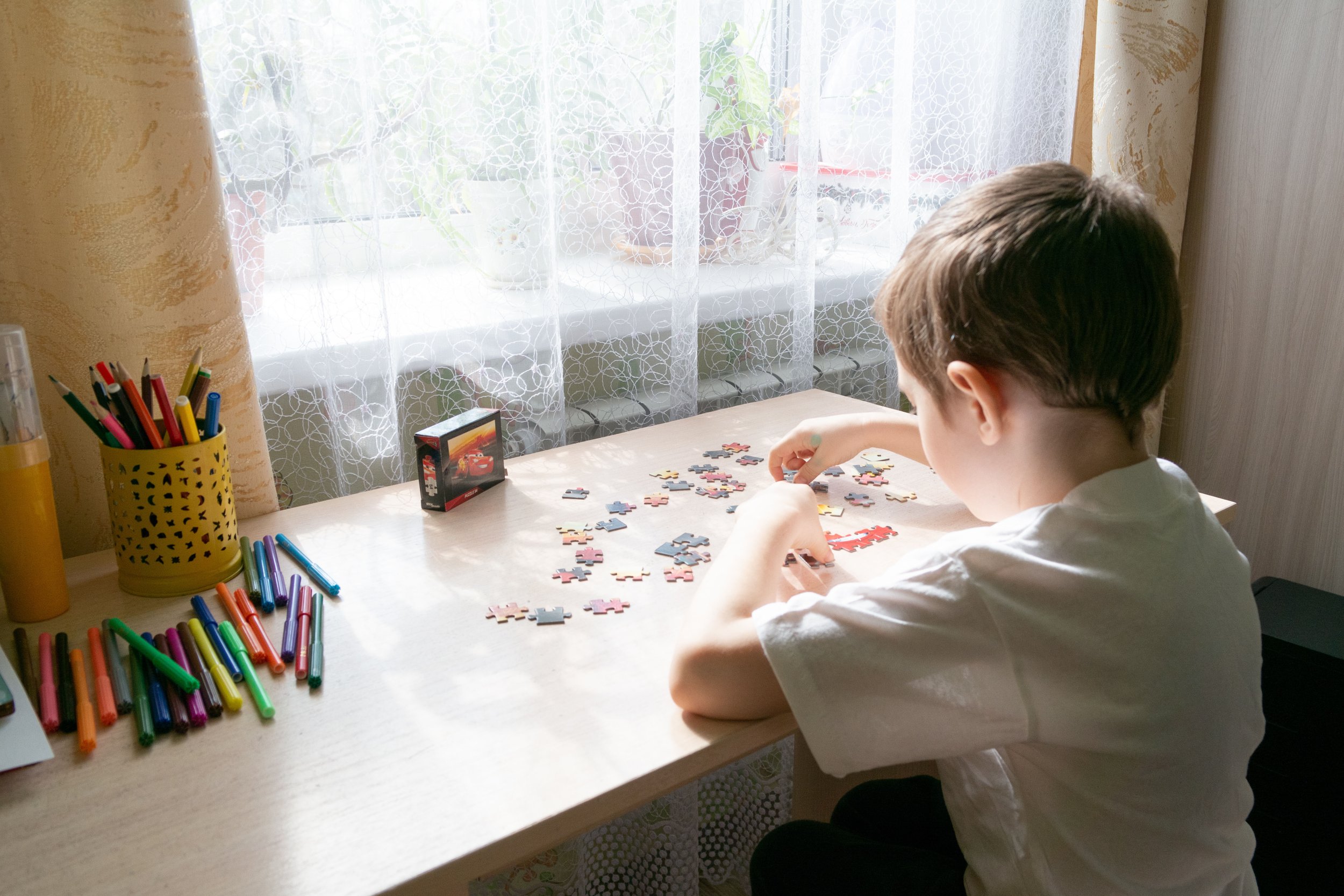
Children who have experienced bullying may struggle to articulate their feelings and can benefit from therapy approaches specifically designed for their developmental stage.
Play therapy is one of the most effective treatments for younger children, as it allows them to express emotions and process experiences through creative play rather than verbal communication. According to the Association for Play Therapy, this approach helps children develop coping strategies and emotional regulation skills in a safe and supportive environment. Older children and teens may respond well to CBT, which helps them challenge negative self-perceptions and build resilience against future bullying incidents.
How to Talk to Kids About Therapy
Introducing the idea of therapy to a child can be challenging, but framing it positively is key. Parents and caregivers can explain that therapy is a safe place where they can talk about their feelings and learn new ways to feel better. It's helpful to compare therapy to visiting a doctor for a physical injury—just like a doctor helps fix a broken bone, a therapist can help with emotions and confidence. Encouraging children to ask questions about what therapy involves and reassuring them that it's a normal part of self-care can help reduce any anxiety or resistance they may have.

1. Therapy: A Crucial Recovery Tool
Therapy is one of the most effective ways to help children process the trauma caused by bullying. Psychological and emotional healing often requires professional support to navigate the complex feelings that bullying triggers.
-
CBT helps children identify and challenge negative thought patterns that may arise from bullying. It is particularly effective for children experiencing depression, anxiety, or PTSD. Research published in The Journal of the American Academy of Child & Adolescent Psychiatry demonstrates CBT’s ability to significantly reduce symptoms of trauma and improve emotional regulation in children.
-
This therapy is widely recognized for its ability to treat PTSD. It involves guided eye movements to help children process distressing memories. Studies have shown EMDR to be highly effective in reducing the emotional intensity of traumatic memories, making it easier for children to heal from bullying-related trauma.
-
PET helps children gradually confront and process trauma-related memories, which can reduce avoidance behaviors and fear. Research published in The Journal of Traumatic Stress shows that PET can rewire the brain's fear responses and help children with PTSD caused by bullying.
-
SE helps regulate the nervous system and release stored trauma by using movement, breathing, and body awareness techniques. It’s shown to reduce chronic stress and dissociation, common in bullying survivors.
-
Group therapy provides a supportive space for bullying survivors to share experiences and receive validation. It combines CBT, and peer support to reduce isolation, boost self-esteem, and improve coping strategies, though careful structure is important for optimal outcomes. Research published in Trauma, Violence, and Abuse suggests that while group therapy can be beneficial, it should be carefully structured to provide the best outcomes for participants.
Cost Considerations for Trauma Therapy
The cost of therapy can be a barrier for many individuals seeking help. However, several options exist to make trauma therapy more accessible and affordable:
-
Many health insurance plans cover mental health services, including trauma therapy. The Affordable Care Act (ACA) requires insurers to provide mental health coverage equivalent to physical health services.
-
Some therapists offer sliding scale fees based on an individual’s income, making therapy more accessible to those with financial constraints.
-
Local mental health organizations and crisis centers often provide low-cost or free therapy services for individuals who have experienced bullying. The National Alliance on Mental Illness (NAMI) and similar organizations offer resources and referrals.
-
Teletherapy options such as BetterHelp and Talkspace provide lower-cost therapy alternatives with licensed professionals, making access more convenient and affordable.
-
Many universities offer low-cost therapy provided by supervised graduate students, which can be a valuable resource for those on a budget.e best outcomes for participants.
-
Some states offer victim compensation programs that cover therapy expenses for individuals who have experienced trauma, including bullying-related psychological effects.
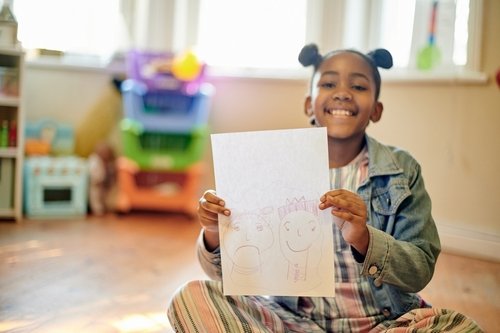
Art therapy is a powerful tool for helping children express complex emotions that they may struggle to articulate verbally. By engaging in creative processes such as drawing, painting, or sculpting, children can externalize their feelings and begin the healing process.
Research supports the use of art therapy for trauma recovery. A study in The Journal of the American Art Therapy Association found that children who participated in art therapy reported feeling less anxiety and better emotional regulation. By focusing on the creative process, children can work through difficult emotions without the pressure of verbal communication. Art therapy also helps children reframe their traumatic experiences in a way that makes them feel empowered.
2. Art Therapy: Healing Through Creative Expression

3. Music Therapy: Using Sound to Process Trauma
Music therapy involves using music—whether through listening, singing, or playing instruments—as a tool to process emotions and heal trauma. Music has a unique ability to bypass cognitive defenses and reach deep emotional centers in the brain, making it especially effective for children who find it difficult to express their feelings.
Numerous studies have shown the positive impact of music therapy on children affected by trauma. A study published in The Arts in Psychotherapy found that music therapy can significantly reduce symptoms of PTSD, improve mood, and promote emotional resilience. The therapeutic benefits of music are often immediate, providing children with an emotional release that words cannot always achieve.

4. Physical Activities: Building Confidence Through Movement
Physical activities, such as martial arts, yoga, or team sports, can provide children with an opportunity to rebuild their physical and emotional strength. These activities promote healthy stress responses, improve self-esteem, and offer a sense of accomplishment.
Martial arts, in particular, have been shown to help children regain a sense of control and empowerment after bullying. According to research in The Journal of Martial Arts, children who practiced martial arts experienced higher levels of self-confidence and emotional resilience. Sports and other physical activities provide children with the skills to defend themselves, both physically and emotionally, helping them heal from past trauma.
5. Mindfulness and Meditation: Cultivating Emotional Resilience
Mindfulness and meditation techniques can help children regulate their emotions and manage the anxiety and stress that often accompany bullying. Mindfulness teaches children to focus on the present moment, reducing rumination and negative thought patterns.
Studies have shown that mindfulness-based interventions can reduce symptoms of PTSD and anxiety in children. A study published in The Journal of Child and Adolescent Trauma found that mindfulness exercises helped children process traumatic experiences more effectively, resulting in improved emotional regulation and lower levels of distress.

6. Equine Therapy: Rebuilding Trust with Horses
Equine therapy involves guided interactions between children and horses. Horses, being highly sensitive to human emotions, offer children a unique opportunity to rebuild trust and emotional regulation. The focus on non-verbal communication helps children process emotions in a way that’s less intimidating than traditional talk therapy.
Research suggests that children who participated in equine therapy reported improved emotional stability, reduced anxiety, and increased self-esteem. The bond formed with horses allows children to feel supported and understood, fostering healing in a non-judgmental environment.

7. Animal-Assisted Therapy: Finding Comfort in Animal Companionship
Other animals have also been shown to alleviate anxiety and stress in children who have experienced trauma. Therapy animals, such as dogs or cats, offer companionship and emotional support, which can help reduce feelings of isolation and improve mood.
Studies (such as this one) suggest that interacting with animals can lower heart rates, reduce stress, and promote relaxation. The non-judgmental companionship provided by animals helps children feel comforted and cared for during their recovery.
8. Group Therapy: Peer Support and Shared Healing
Group therapy offers children the opportunity to connect with others who have experienced similar challenges. In a group setting, children can share their stories, learn coping skills, and receive validation from peers.
Research indicates that group therapy can reduce feelings of isolation and improve coping mechanisms. A study published in Trauma, Violence, & Abuse found that group therapy for trauma survivors promoted emotional healing and developed a sense of community. Sharing experiences with others who understand can help children feel less alone in their recovery.

9. Family Therapy: Strengthening the Family Support System
Family therapy can be essential in the recovery process, as it helps families communicate more effectively and provide better support for the child. The trauma of bullying affects the entire family, and addressing the emotional needs of all members is crucial for the healing process.
Studies have shown that family involvement in therapy enhances recovery outcomes. Research published in Family Process found that families who participated in therapy together experienced better communication, stronger emotional bonds, and improved problem-solving abilities, all of which aid in the child’s healing.

10. Nutritional Support: Fueling Recovery Through Healthy Eating
Proper nutrition plays a significant role in emotional and physical well-being. A balanced diet rich in vitamins, minerals, and essential nutrients can help children recover from the emotional toll of bullying.
Research has found that children who are well-nourished are better equipped to manage stress, process emotions, and cope with the psychological effects of trauma. Working with a nutritionist to ensure your child is eating a healthy, balanced diet can support their recovery and overall mental health.
If you, your child, or someone you know has experienced the trauma of bullying, seeking professional help can be a crucial step toward healing. The therapy options listed above offer evidence-based approaches to address the emotional and psychological impact of bullying. Remember, help is available, and there are ways to make therapy affordable and accessible.
If your child has been affected by bullying, don't wait to seek professional guidance. LegalAlly.com, led by Adam T. Mandell, provides expert legal support to help you protect your child’s rights and hold schools accountable. Reach out to us today to take the first step in ensuring your child's future healing and well-being.